

INTERVIEW WITH
Devraj Lahiri, MD
In the past five years, prescriptions for GLP-1s—a class of medicines used to treat obesity, diabetes and cardiovascular risk—have skyrocketed. These days, you can’t go long without seeing a news story or social post about these medications, which are now being taken by about 30 million people in the U.S. In this article, Devraj Lahiri, MD, a primary care physician and a member of RWJBarnabas Health Medical Group, answers common questions about GLP-1s.
What are GLP-1s, and how do they work?
GLP-1 is an abbreviation that stands for glucagon-like peptide-1 receptor agonists. These medications mimic a natural gut hormone involved in appetite and blood sugar regulation. They slow gastric emptying, enhance satiety (the feeling of fullness) and help reduce calorie intake. They also work in the brain to reduce cravings and hunger. These medications are most commonly used to treat obesity and diabetes. They help treat diabetes by improving insulin secretion as well as by other mechanisms.
Why are they prescribed?
They are prescribed for chronic weight management in individuals who are overweight or obese, particularly when lifestyle measures such as dietary changes and exercise have not been effective. Many agents in this class are also used to treat type 2 diabetes, and some have been shown to decrease risk of heart attack and stroke. They have also been found to help treat other obesity-related conditions, such as obstructive sleep apnea and a condition known as fatty liver.
How can they improve my health?
Weight loss associated with these medications can lead to improvements in blood pressure, blood sugar control, cholesterol levels and overall cardiac risk factors. Some patients also experience better mobility, improved sleep quality and a reduction in obesity-related conditions.
Are there risks involved?
As with any medication, there are potential risks. Common issues are gastrointestinal. When starting treatment, many patients experience mild nausea and abdominal discomfort. These side effects usually improve over time. Less common but important risks include gallbladder disease and, rarely, pancreatitis. These medications are not appropriate for individuals with certain endocrine tumors or a personal or family history of medullary thyroid carcinoma. A careful medical evaluation is required before initiation.
Can I space the shots out instead of taking the drug as scheduled?
GLP-1s are designed to be taken on a consistent schedule to maintain stable drug levels and effectiveness. Altering the dosing interval may reduce efficacy and increase side effects. Any changes should be discussed with the prescribing physician or nurse practitioner.
I have read that GLP-1s can cause loss of lean muscle mass. Is there anything I can do to prevent that?
Some loss of lean mass can occur with any weight reduction. Loss of muscle mass can be avoided or minimized by increasing dietary protein intake and committing to regular strength training. Consistent physical activity is an essential part of losing weight, maintaining weight loss and optimizing general health.
What side effects are common?
The most common side effects are nausea, early satiety (feeling full after a smaller meal), constipation and sometimes diarrhea. These are typically mild to moderate and tend to improve over time as the body adjusts.
Are there ways to offset side effects?
Starting at a low dose and gradually increasing helps to reduce and manage side effects. Eating smaller meals, avoiding high-fat foods and very large portions, staying well hydrated and maintaining regular eating patterns can also reduce symptoms.
How long am I likely to stay on GLP-1 medication?
Obesity is a chronic condition, and these medications are generally intended for long-term use. Stopping GLP-1 medication often leads to weight regain. The length of treatment is individualized based on response, tolerability and overall health goals, with ongoing reassessment over time.
To find a provider visit rwjbh.org/docfinder.
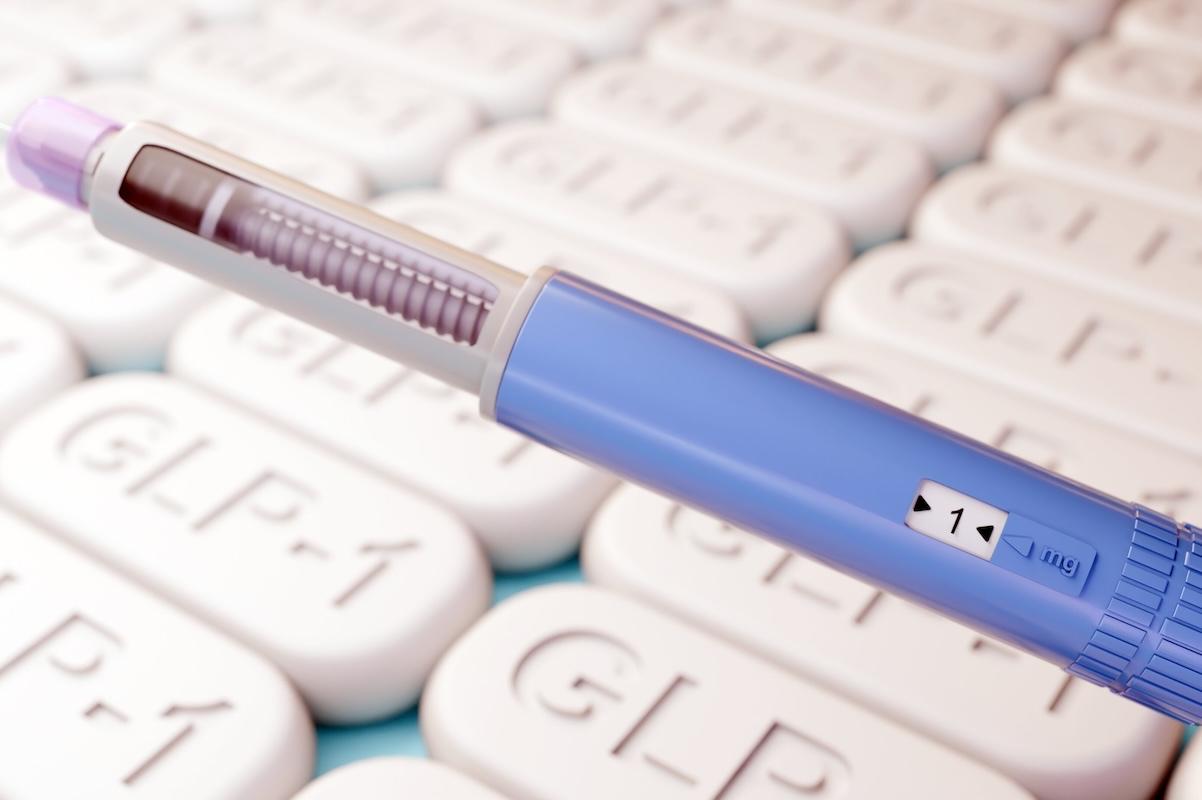
Injections or Pills: What to Consider
GLP-1 medications designed to support weight loss have long been available as weekly injectables. Now, two pharmaceutical companies offer them in pill form, too. Here’s what to know:
- Clinical trials found that patients using injectables lost a slightly higher percentage of body weight than those taking GLP-1 pills.
- Special timing related to eating and drinking is required for one company's oral GLP-1, but many patients prefer that inconvenience to injecting the medication.
- Out-of-pocket costs for pills are generally lower than for injectables.
- Side effects are similar for pills and injectables.