5 Tips for Healthier Ankles
Here's what you need to know now about sprains, Achilles tendon strains and more.
INTERVIEW WITH
Adam Becker, MD
Whether you're planning to run a 10K race or take a lunchtime stroll, make sure your body is ready for movement.
Here, Adam Becker, MD, an orthopedic surgeon and a member of RWJBarnabas Health Medical Group, answers some common questions about ankle injuries, including sprains and Achilles tendon strains and tears.
Tip 1
What precautions can help avoid ankle injuries?
Most importantly, when you're exercising, wear stabilizing shoes rather than flimsier ones that might look more stylish. From age 25 upward, take a few minutes to stretch before you exercise. That will decrease your risk of an Achilles strain or rupture.
Tip 2
How can I reduce my risk of injury during normal, everyday activities?
Wear proper footwear and don't rush. If you wear a heeled shoe or a shoe with a poor tread or sole, you have a higher risk of slipping, especially in bad weather. Watch out for any trouble spots on walkways and streets, such as branches or leaves that might be hiding uneven pavement.
Tip 3
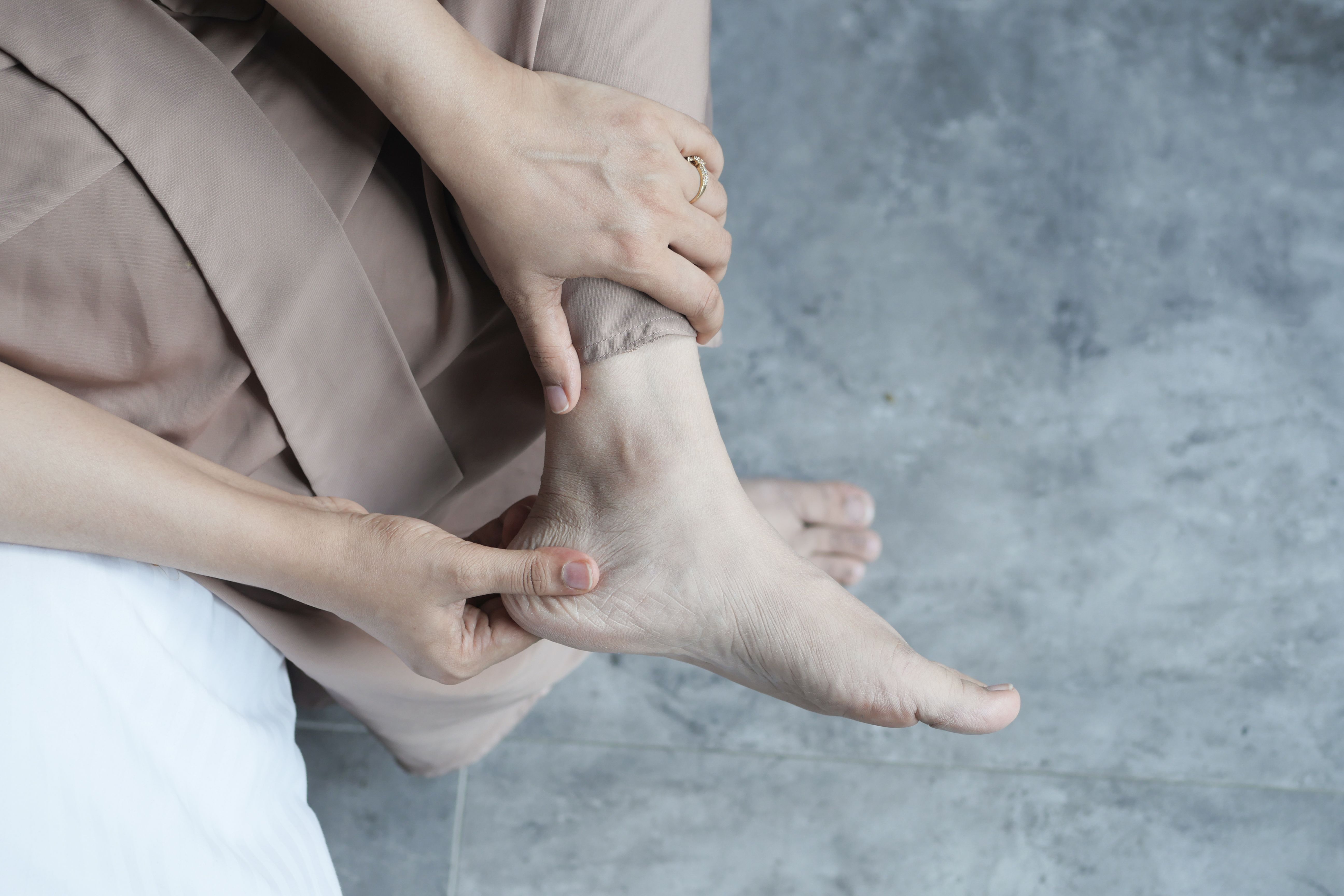
What can I do to alleviate ankle pain from an injury?
Rest your ankle and protect it by not doing anything too demanding or strenuous. Alternate applying ice and heat to the area; both are great—ice has an anti-inflammatory effect, and heat increases blood flow and helps with healing. An over-the-counter anti-inflammatory is good to take, if you're able to tolerate it.
Tip 4
When should I get a sore ankle looked at by a doctor?
If you can't walk normally or bear weight on your ankle because of pain, get it checked out. Also see a doctor if you experience a slow buildup of pain and it's stopping you from doing things you enjoy, or it either doesn't get better or gets worse over a two-week period.
Tip 5
How do doctors treat ankle injuries?
Doctors can offer a variety of treatments: protective braces, supportive devices that can take some of the stress off the injured area, different types of medications, and different types of local treatments, such as anti-inflammatory or pain creams or patches. If the issue is chronic, sometimes physical therapy, conditioning, and strengthening exercises can help significantly.
New Practice in River Edge
RWJBarnabas Health now has an orthopedic practice in River Edge, staffed by three surgeons from RWJBarnabas Health Medical Group who are on staff at Jersey City Medical Center and Cooperman Barnabas Medical Center:
- Raphael Longobardi, MD, FAAOS – specializing in sports medicine and arthroscopic surgery
- Adam Becker, MD – specializing in advanced joint replacement techniques
- Frank Liporace, MD – specializing in orthopedic trauma and complex joint reconstruction
All three board-certified surgeons are highly experienced, have cared for professional and collegiate athletes, and are dedicated to helping patients return to their favorite activities as soon as possible.
To make an appointment at the new office, located at 130 Kinderkamack Road, Suite 300, call 201-716-5850 or schedule online through MyChart.
Learn More
For more information about orthopedic services at RWJBarnabas Health or to find a physician, visit www.rwjbh.org/ortho.